 blog
Top 5 Driving Schools for Teen Beginners: 2026 Guide
Table of Contents
- What Parents Should Know Before Comparing Teen Driving Schools
- How to Choose a Driving School for Teens: Five Ranking Criteria
- The Top 5 Driving Schools for Teen Beginners, Compared
- Teen Driver Education: Classroom vs. Online vs. Hybrid
- Behind-the-Wheel Training for Teens: What Good Instruction Looks Like
- Learner's Permit Preparation and Parent Supervised Practice
- Conclusion
- Frequently Asked Questions
Last Updated: October 18, 2026
What Parents Should Know Before Comparing Teen Driving Schools
Searching for the top 5 driving schools for teen beginners usually returns a wall of star ratings and not much substance. That is a problem, because ratings tell you whether people liked a school, not whether its program actually prepares a nervous 15-year-old for a South Carolina road test. At Aiken Driving School, we have watched hundreds of families make this decision, and the ones who end up happiest almost always compare programs on structure rather than popularity.
Teen driver education is the combination of classroom or online instruction, behind-the-wheel training, and supervised practice that moves a beginner from a learner's permit to a full license. In South Carolina, that path runs through the graduated driver licensing system, which stages driving privileges by age and experience. The South Carolina Department of Motor Vehicles licensing guide outlines the permit and license stages, and it is worth reading before you call any school.
Here is the part most parents miss: a school can be excellent for adults and mediocre for teenagers. Beginners need a different pace, more patience, and a clear lesson sequence. Below, we break down how to rank schools yourself, then compare the field using criteria that actually matter.
How to Choose a Driving School for Teens: Five Ranking Criteria
The best way to choose a driving school for teens is to score each option against five weighted criteria: curriculum structure, instructor credentials, logistics, outcome evidence, and cost transparency. Most directory listings score schools on none of these. What follows is the exact rubric we use when families ask us how to compare, plus the state-specific requirements and pricing questions that competitors rarely address.
We use a simple 100-point rubric when families ask us how to compare:
| Criterion | Weight | What to Look For |
|---|---|---|
| Curriculum and lesson progression | 25 points | Numbered lesson sequence, skill checkpoints, beginner-specific pacing |
| Instructor credentials and style | 25 points | Licensed instructors, calm coaching approach, teen experience |
| Logistics and scheduling | 20 points | Pickup service, weekend slots, online booking, service area |
| Evidence of outcomes | 15 points | First-attempt pass support, third-party testing status, parent feedback |
| Cost transparency | 15 points | Published package details, no surprise fees, clear refund policy |
Score each school out of 100 and the shortlist usually sorts itself. The two heaviest criteria deserve a closer look, and two of the lighter ones hide the biggest surprises.
Curriculum and Lesson Progression
A real beginner curriculum moves in order: vehicle control and pre-drive checks, then residential streets, then city traffic, then highway merging, then parking practice, then test preparation. Ask any school to describe that sequence. If the answer is vague, the program is probably improvised lesson by lesson. A strong sign is a published lesson plan that names the skill focus for each session, so you know what your teen will practice before you book.
Instructor Credentials and Communication Style
Credentials matter, but temperament matters just as much for a nervous teen. A common mistake is assuming a strict instructor builds discipline. In practice, anxious beginners shut down under criticism and learn faster with calm, specific feedback. Ask how instructors handle a student who freezes at an intersection. Also ask whether instructors are trained specifically for teen beginners or split their time between adults and teens, because the pacing differs.
State Licensing Requirements for Teen Beginners
Before you compare schools, confirm what the state requires so you can judge whether a program covers the full path. In South Carolina, the graduated driver licensing system stages privileges by age and experience. The South Carolina Department of Motor Vehicles licensing guide outlines permit age, required education hours, supervised practice, and the road test. Ask each school whether its program satisfies those hours and whether it prepares students for the SCDMV road skills test. A school that cannot explain the state requirements in plain language is a warning sign.
Transparent Pricing and Package Comparisons
Directory snippets rarely show what a program costs or what the price includes. Ask for a written breakdown: number of classroom hours, number of behind-the-wheel hours, whether the road test fee is included, and what happens if your teen needs extra lessons. Compare packages on cost per behind-the-wheel hour rather than total price, because a cheap package with few driving hours often costs more once you add extra sessions. A transparent school publishes its package details and explains any add-on fees upfront.
Parent Involvement and Supervised Practice
No school can replace parent supervised driving. Ask how the school communicates progress: does the instructor leave notes after each lesson, and does the school provide a practice log you can use at home? A common pattern is that families who practice between lessons see faster progress and fewer extra lessons. Choose a school that treats parents as part of the team rather than a drop-off service.
The Top 5 Driving Schools for Teen Beginners, Compared
No single school tops every family's list, because scheduling needs and learning styles vary. What follows is how we would rank the field for a teen beginner, using the criteria above.
1. Aiken Driving School. Our teen driver education program pairs classroom instruction with a structured behind-the-wheel sequence, and we are an SCDMV-approved third-party tester, which means students can complete the road skills test with us instead of waiting at a DMV office.
2. Large regional chain schools. These offer polished online courses and multiple locations. Best for families who move often or want a recognizable brand. The trade-off is less personal attention and less flexibility on pickup.
3. High school or community programs. Often the most affordable route, and convenient because they run on campus. Class schedules can be limited to specific semesters, which slows the timeline for a teen eager to drive.
4. Independent single-instructor schools. These can be wonderful for anxious students who bond with one teacher. The risk is capacity: one instructor means limited weekend slots and possible delays.
5. Online-only theory providers. Useful for the classroom portion at a low cost. They cannot deliver behind-the-wheel training, so you will still need a separate provider for the driving hours.
| School Type | Best For | Watch Out For |
|---|---|---|
| Local full-service school | Beginners wanting one-stop training and testing | Service area limits |
| Regional chain | Families wanting a familiar brand | Less personal scheduling |
| School-based program | Budget-conscious families | Limited semester timing |
| Independent instructor | Anxious students needing consistency | Tight availability |
| Online-only theory | Completing classroom hours cheaply | No driving instruction |
When you compare any two schools, ask for the same three documents: a written lesson sequence, a package breakdown showing classroom and behind-the-wheel hours, and a sample progress note.
Teen Driver Education: Classroom vs. Online vs. Hybrid
Teen driver education comes in three formats, and the right one depends on how your teenager learns. Classroom instruction puts students in a room with an instructor and peers, which suits kids who ask questions out loud. Online courses offer flexibility and self-paced modules but demand self-discipline. Hybrid programs combine online theory with in-person driving, and they tend to fit busy families best.
The National Highway Traffic Safety Administration's teen driver guidance consistently points to supervised practice hours as the strongest predictor of safe early driving, which means the format of the classroom portion matters less than what happens behind the wheel. Choose the format your teen will actually finish.
Behind-the-Wheel Training for Teens: What Good Instruction Looks Like
Good behind-the-wheel training for teens looks quiet from the outside. A calm instructor, a predictable route, and a short debrief at the end of each session. If your teen comes home unable to name one thing they improved, the lesson was probably just a drive.
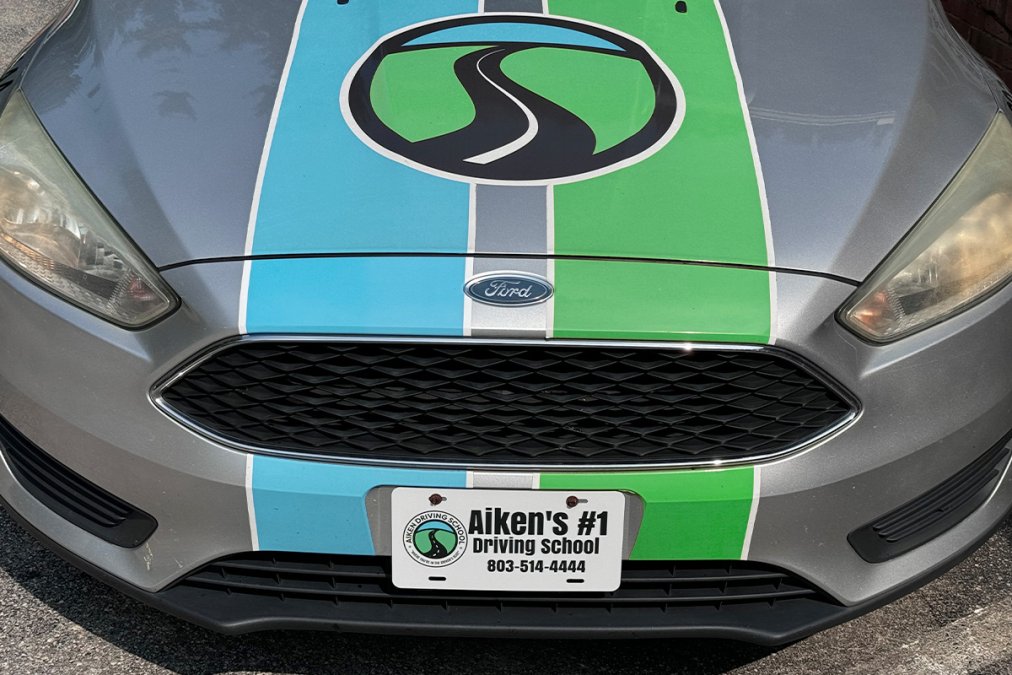
Strong programs build in hazard awareness early, teach defensive driving habits from the first lesson, and practice parking and highway driving only after basic vehicle control is solid. Our teen behind-the-wheel training follows that order, and instructors are trained to keep anxious students talking through their decisions rather than freezing.
Ask about session length, too. Long lessons exhaust beginners and short ones waste the warm-up. A steady rhythm of focused sessions beats one marathon.
Learner's Permit Preparation and Parent Supervised Practice
Learner's permit preparation is the step families underestimate. The written knowledge test rewards familiarity with traffic rules and road signs, and a structured prep class removes the guesswork. Our permit prep program covers the material South Carolina tests, so the DMV visit is a formality rather than a gamble.
Then comes the part no school can do for you: parent supervised driving. South Carolina's graduated licensing rules require a period of supervised practice before a teen can advance, and the details are set out in the SCDMV's graduated licensing requirements. Treat practice drives as short, frequent sessions on familiar roads. Ten minutes of focused practice three times a week beats a monthly hour-long outing.
Conclusion
The hardest part of this decision is not finding five schools to compare. It is admitting that a cheap program with no lesson structure will cost your teen more confidence, and more retests, than it saves. Compare on curriculum, instructor style, and logistics, and the right choice becomes clear.
If you are in Aiken County, we would like the chance to make that choice easy. Aiken Driving School offers SCDMV-approved third-party road testing, door-to-door pickup and drop-off across the county, and online registration and scheduling that fits around sports and work. Get started with Aiken Driving School and give your teen a first driving experience built on calm, structured instruction.
Frequently Asked Questions
What should beginners look for in a driving school?
Start with state approval and instructor credentials. In South Carolina, a quality teen driving schools program should include classroom or online driver education, structured behind-the-wheel training for teens, and a clear lesson progression from parking lot basics to city and highway driving. Ask about student-to-instructor ratios, vehicle safety features, scheduling flexibility, and whether the school offers third-party road skills testing. Also confirm how progress is communicated to parents, since supervised driving at home reinforces what teens learn in lessons.
What is the difference between classroom driver education and behind-the-wheel training?
Classroom or online driver education covers traffic rules, road safety, hazard awareness, and defensive driving concepts. Behind-the-wheel training puts those lessons into practice with a licensed instructor in a dual-control vehicle. South Carolina's graduated driver licensing process expects both, plus supervised driving hours with a parent or guardian. The best programs connect the two, so a lesson on following distance in class shows up as a real exercise on the road the same week.
How much driving practice does a teen beginner need?
Practice requirements vary by state, and South Carolina's graduated driver licensing rules set specific supervised driving hours before a teen can advance. Beyond the minimum, most instructors recommend spreading practice across many short sessions in varied conditions: residential streets, parking lots, city driving, highway merges, and night driving. Consistency matters more than long single sessions. Ask your teen's driving school how to choose a driving school for teens that shares a practice log, so home hours and lesson hours build on each other instead of repeating the same skills.
How can parents compare driving schools for teen beginners?
Compare on five factors: curriculum structure, instructor credentials, scheduling and pickup logistics, how the school communicates student progress, and whether it is approved for state testing. Ask for a written lesson plan and a sample progress report. Confirm pickup and drop-off coverage if you need door-to-door service. Read customer reviews for patterns, not single complaints, and ask what happens if a teen is anxious or struggles with a skill. A school that explains its approach clearly before you enroll is usually the one that communicates well during training too.