 how-to
Driving Lessons for Anxious Teens: A Parent's Guide
Table of Contents
- Why Driving Lessons for Anxious Teens Need a Different Approach
- Teen Driving Anxiety: What It Looks Like Behind the Wheel
- How to Teach a Nervous Teen to Drive Without Making It Worse
- Driving Tips for Anxious Teens That Build Real Confidence
- How Often Should Teens Practice Driving to Reduce Anxiety?
- What to Look for in a Driving School for Anxious Teens
- When Professional Driving Lessons Make the Difference
- Frequently Asked Questions
Last Updated: October 9, 2026
Why Driving Lessons for Anxious Teens Need a Different Approach
A nervous teen behind the wheel is not a teen who needs more pressure. That is the first thing to understand about driving lessons for anxious teens. Fear narrows attention. A scared driver misses mirrors, misjudges gaps, and freezes at the worst moment.
At Aiken Driving School, we have worked with anxious beginners. The pattern is always the same. Push too hard and the teen shuts down. Go slow and build one skill at a time, and something clicks.
Below, we explain what teen driving anxiety actually looks like, how parents can help without making it worse, and when it is time to hand the keys to a professional instructor.
Teen Driving Anxiety: What It Looks Like Behind the Wheel
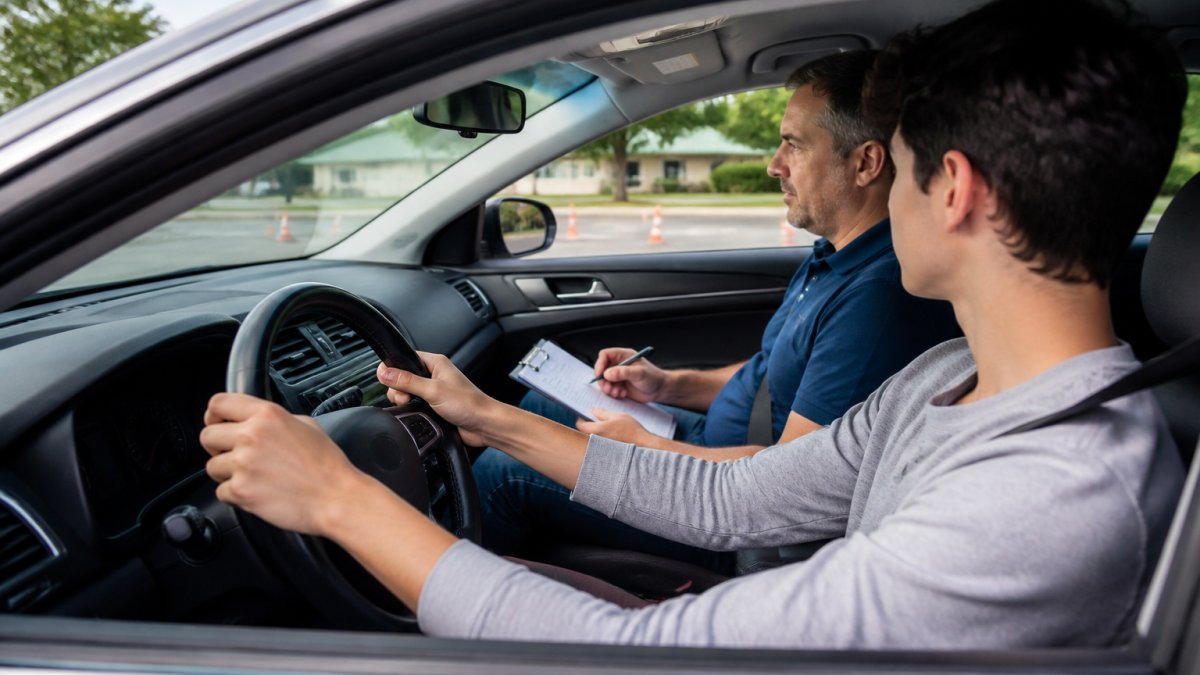
Teen driving anxiety is a real fear response to the pressure of controlling a vehicle, and it shows up in the body before it shows up in words. Sweaty palms, a white-knuckle grip on the wheel, and shallow breathing are common signs.
Watch for these behaviors during practice:
- Slowing way down before every turn, even easy ones
- Going silent and stiff when traffic appears
- Refusing to merge or change lanes at all
- Making excuses to skip practice days
- Apologizing constantly for small mistakes
Common Fears Teens Won't Always Say Out Loud
Most teens will not admit they are scared. They will say "I'm fine" and grip the door handle instead.
Here is what is usually going on underneath:
- Fear of crashing. Every news story about a teen driver sticks with them.
- Fear of judgment. They worry you will sigh, grab the wheel, or gasp.
- Fear of the road test. Failing in front of a stranger feels worse than failing in front of a parent.
- Fear of losing control. Merging, roundabouts, and highway speeds all feel like handing over control.
- Fear of letting you down. They know you paid for lessons and cleared your schedule.
Naming the fear out loud, without making it a big deal, takes away half its power. "A lot of new drivers feel nervous about merging. Want to practice that on a quiet road first?"
How to Teach a Nervous Teen to Drive Without Making It Worse
The best way to teach a nervous teen to drive is to stay calm, keep instructions short, and let them make small mistakes in low-risk places. Your job is to be a steady voice, not a second steering wheel.
A few habits make a big difference:
- Give one instruction at a time. "Slow down" is enough. Save the rest for later.
- Do not grab the wheel unless there is real danger. It teaches them you expect failure.
- Praise what went right before you mention what went wrong.
- Keep early sessions to 20 or 30 minutes. Tired teens make more mistakes.
- Never practice when either of you is rushed, hungry, or upset.
Driving Tips for Anxious Teens That Build Real Confidence
Driving tips for anxious teens work best when they shrink the task instead of adding pressure. Confidence comes from repeated small wins, not from one big successful drive.
Start in Empty Parking Lots, Then Add One Variable at a Time
An empty parking lot on a Sunday morning is the best classroom a nervous teen can get. There is nothing to hit and no one watching.
Build skills in this order:
- Parking lot basics. Starting, stopping, and steering smoothly.
- Quiet neighborhood streets. Adding parked cars and intersections.
- Main roads at off-peak hours. Adding traffic lights and lane changes.
- Busier roads and highways. Adding speed and merging, once the rest feels easy.
Add only one new thing per session. If a step feels shaky, repeat it before moving on.
How Often Should Teens Practice Driving to Reduce Anxiety?
Teens should practice driving at least two to three times per week, in short sessions, rather than one long drive on the weekend. Frequency matters more than duration for anxious drivers.
Here is a simple weekly pattern that works well:
| Day | Focus | Length |
|---|---|---|
| Monday | Parking lot basics or review | 20-30 minutes |
| Wednesday | Neighborhood streets | 30 minutes |
| Saturday | New skill, such as merging or lane changes | 45 minutes |
| Sunday | Repeat the new skill from Saturday | 30 minutes |
Two short drives beat one marathon. An anxious teen who practices three times a week sees the same roads become boring, and boring is exactly what you want.
What to Look for in a Driving School for Anxious Teens
The right driving school for anxious teens will tell you how it handles nerves before you even ask. Ask direct questions and listen to the answers.
Look for these things:
- Instructors trained to stay calm. A raised voice sets an anxious teen back weeks.
- One-on-one lessons. No audience, no pressure.
- A clear step-by-step plan. You should know what each lesson covers.
- Pickup and drop-off at home. Less logistics stress means a calmer student.
- Third-party testing approval. Fewer surprises on test day.
- Reviews from nervous beginners. Look for parents who say their teen was scared at first.
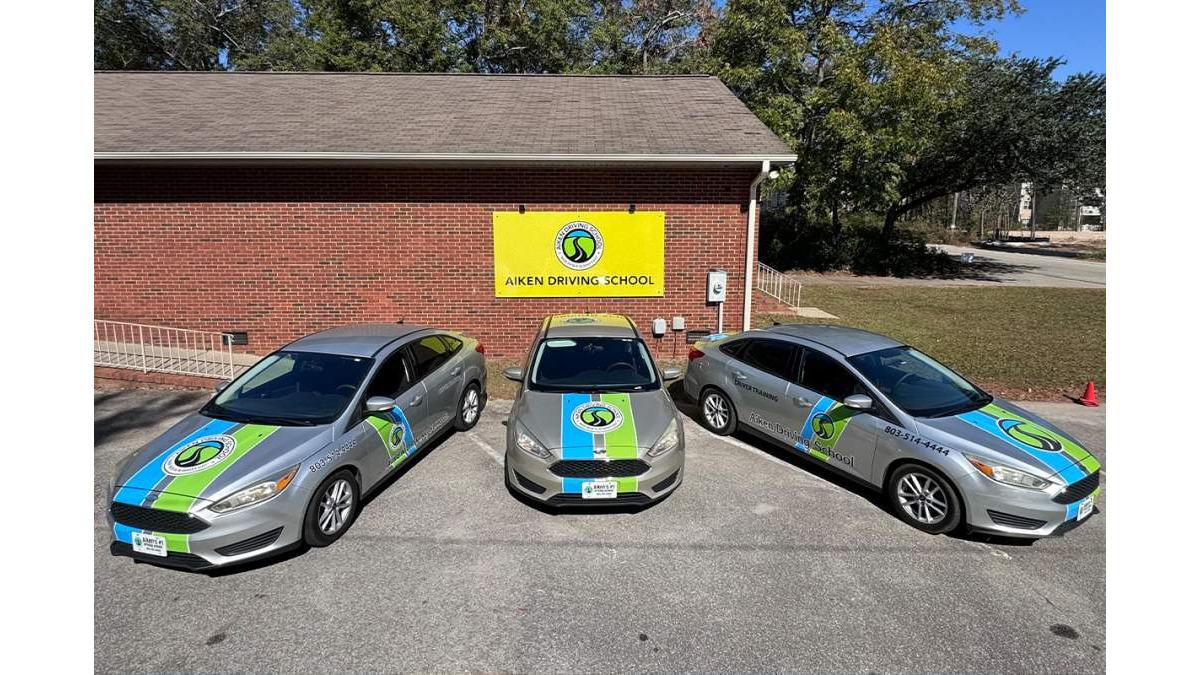
Aiken Driving School is an SCDMV-approved third-party testing school. Our instructors are trained to encourage, not intimidate, and we pick students up anywhere in Aiken County. You can review our South Carolina DMV licensing requirements for teen drivers to see the full path from permit to license.
When Professional Driving Lessons Make the Difference
Professional lessons make the difference when a teen has stalled out with a parent, or when the fear is bigger than a few bad practice drives. Some teens simply listen better to a stranger with a calm voice.
Signs it is time to bring in an instructor:
- Practice drives end in arguments more often than progress
- Your teen avoids driving altogether for weeks
- You feel nervous in the passenger seat, and they can feel it too
- The road test is coming up and confidence is low
- You want an honest outside opinion on their readiness
Emily Drew put it this way: "The driving classes behind the wheel were excellent. The instructors were prompt, communicative and picked him up from our house. He passed on his first attempt at the DMV with confidence in his strengths and insight on areas to pay close attention to while driving."
The CDC guidance on teen driver safety makes one point clear: experience behind the wheel is what reduces risk for new drivers. Anxious teens need that experience delivered in a way they can absorb.
Frequently Asked Questions
Can professional driving lessons help teens with driving anxiety?
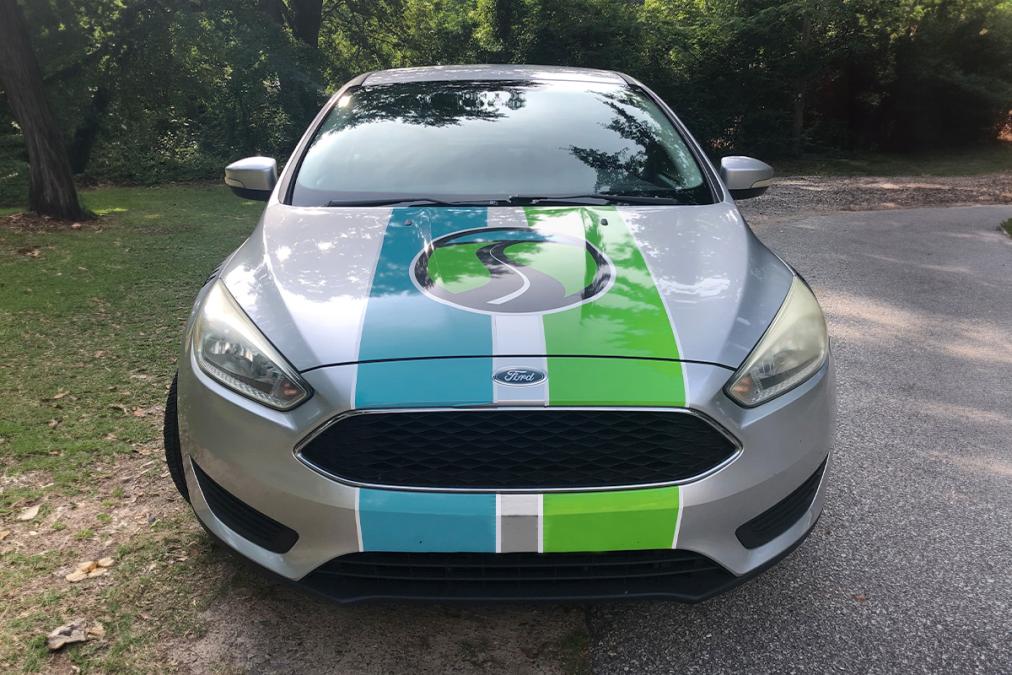
Yes. Professional instructors are trained to stay calm and give clear, specific feedback, which anxious teens often respond to better than a nervous parent in the passenger seat. A structured program through driving lessons lets teens practice in a controlled sequence: empty lots first, then quiet roads, then busier traffic. With an SCDMV-approved school, teens also get road test preparation in the same vehicle they'll test in, which removes a major source of anxiety.
How often should an anxious teen practice driving?
Short, frequent sessions beat long ones. Two to three 30-minute drives per week give an anxious teen enough repetition to build muscle memory without overwhelming them. As confidence grows, extend sessions to 45-60 minutes and add new environments gradually. Consistency matters more than total hours early on. A teen who drives three times a week for a month will progress faster than one who drives once a week for three hours.
What should I do if my teen panics while driving?
Stay calm and direct them to pull over safely as soon as possible. Don't grab the wheel or raise your voice. Once stopped, take a few minutes to breathe and talk through what happened without judgment. If panic happens repeatedly, it may be a sign your teen needs more practice in lower-stress environments before adding traffic. A professional instructor can assess whether the issue is skill-based or anxiety-based and adjust the training plan accordingly.
How can I help my teen feel less anxious about driving?
Start with preparation before the engine turns on. Walk through the controls, mirrors, and seat adjustment together so your teen knows what everything does before they need it. During drives, give one instruction at a time and praise what they do well. Avoid gasping or slamming an imaginary brake. If your own anxiety spikes when they drive, consider letting a professional instructor handle the early behind-the-wheel sessions, then practice with you once they have basic confidence.
A nervous teen is not a lost cause. They just need a calmer path to the same destination. Aiken Driving School has helped Aiken County families since 2011, with one-on-one behind-the-wheel training, permit prep, SCDMV road skills testing, and door-to-door pickup across the county. Register now and let our instructors turn a scared beginner into a confident driver.