 how-to
Door-to-Door Student Services: A Parent's Guide
Table of Contents
- What Convenient Door-to-Door Service Means for Student Services
- Who Is Eligible for Door-to-Door Student Driver Education
- How Behind-the-Wheel Training for Teens Works with Home Pickup
- Student Permit Preparation and Driving School Online Registration
- Safety, Supervision, and Driver Vetting in Door-to-Door Service
- Scheduling Around School, Sports, and Family Life
- What Door-to-Door Service Costs and How to Compare Providers
- Conclusion
- Frequently Asked Questions
Last Updated: October 8, 2026
What Convenient Door-to-Door Service Means for Student Services
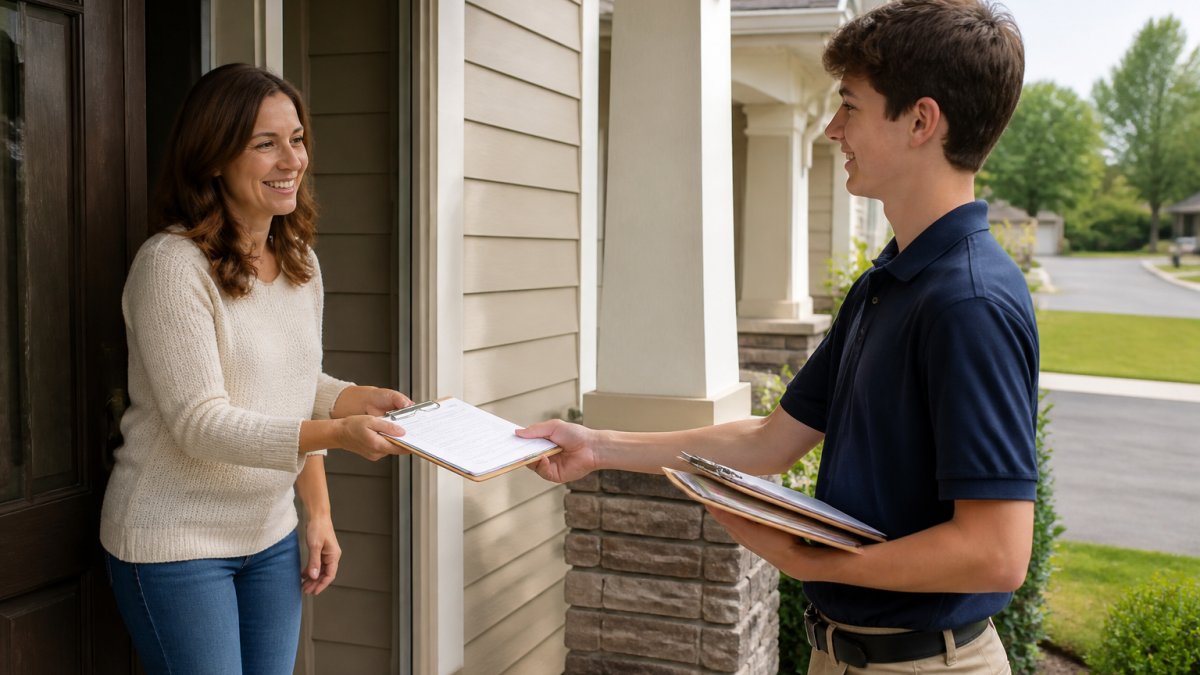
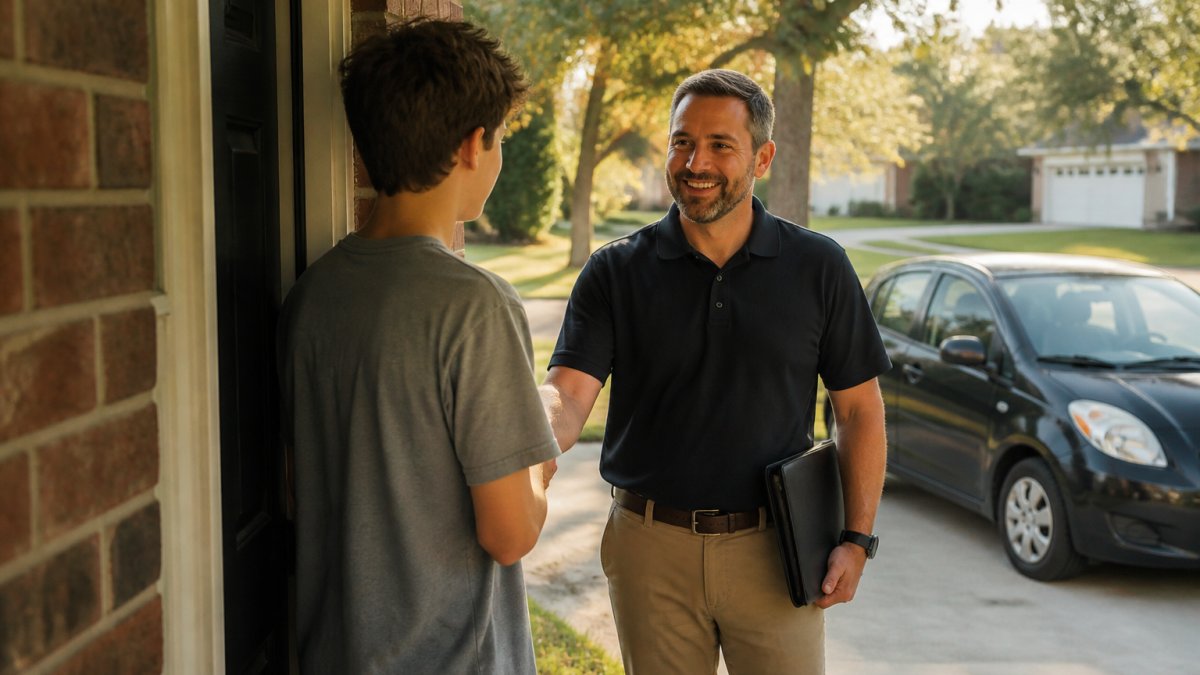
Convenient door-to-door service for student services means an instructor or approved driver comes to your home, picks up your student, delivers the lesson, and brings them back to your driveway. No waiting rooms, no shuttling across town, no rearranging your afternoon.
For families in Aiken County, that distinction matters. At Aiken Driving School, pickup and drop-off anywhere in Aiken County is booked online and confirmed the same day.
The Federal Highway Administration's guidance on teen driver safety notes that supervised behind-the-wheel practice is one of the strongest predictors of safe early driving. The easier that practice is to arrange, the more of it a student actually completes.
Who Is Eligible for Door-to-Door Student Driver Education
Eligibility for door-to-door student driver education comes down to age, permit status, and whether your address falls inside the provider's service area.
South Carolina teens generally begin the permit process at 15, when most families start looking at formal instruction. Adults new to driving, drivers returning after a break, and seniors wanting a skills assessment are all candidates for the same pickup-based model.
Here's how we handle it at Aiken Driving School:
- Teens 15 and older working toward a South Carolina permit or license
- Adults seeking private lessons, refresher training, or help with driving anxiety
- Seniors who want an objective look at how age-related changes affect their driving
- Drivers with violations completing defensive driving or points-reduction coursework
The one hard boundary is geography. Door-to-door service only works if the pickup address sits inside the coverage map. Before enrolling anywhere, confirm your street is on the route list, not just your zip code.
How Behind-the-Wheel Training for Teens Works with Home Pickup
Behind-the-wheel training for teens with home pickup follows a simple loop: the instructor arrives at your address, your student drives from there, and the lesson ends back at your door.
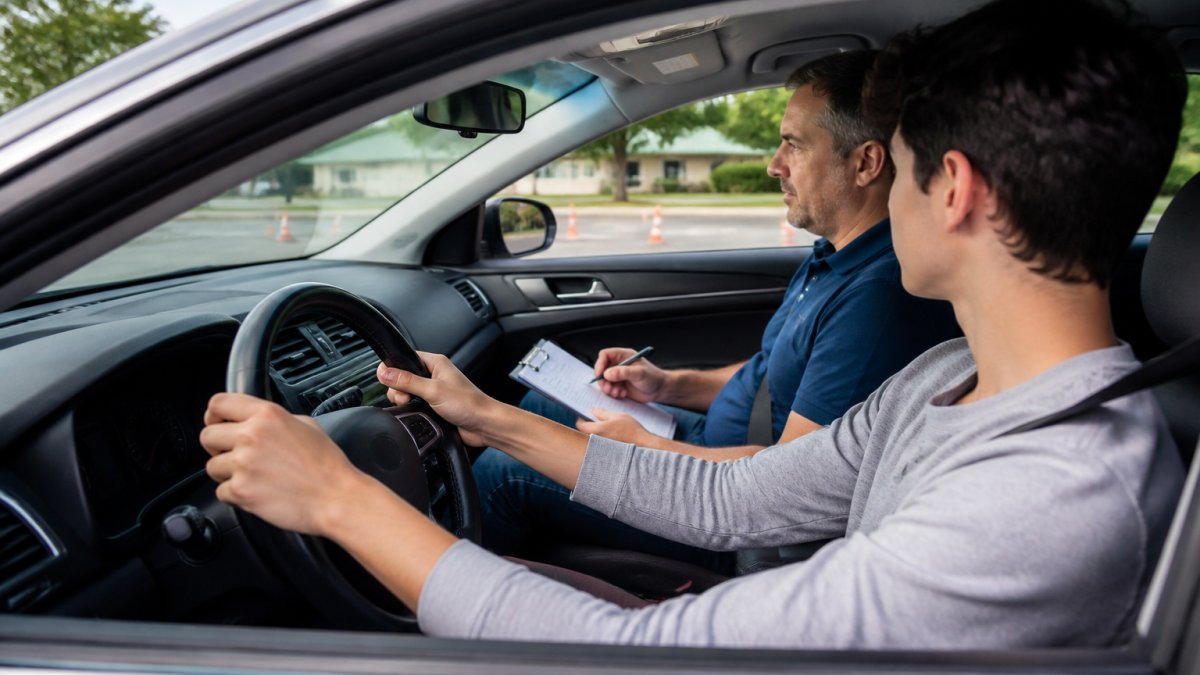
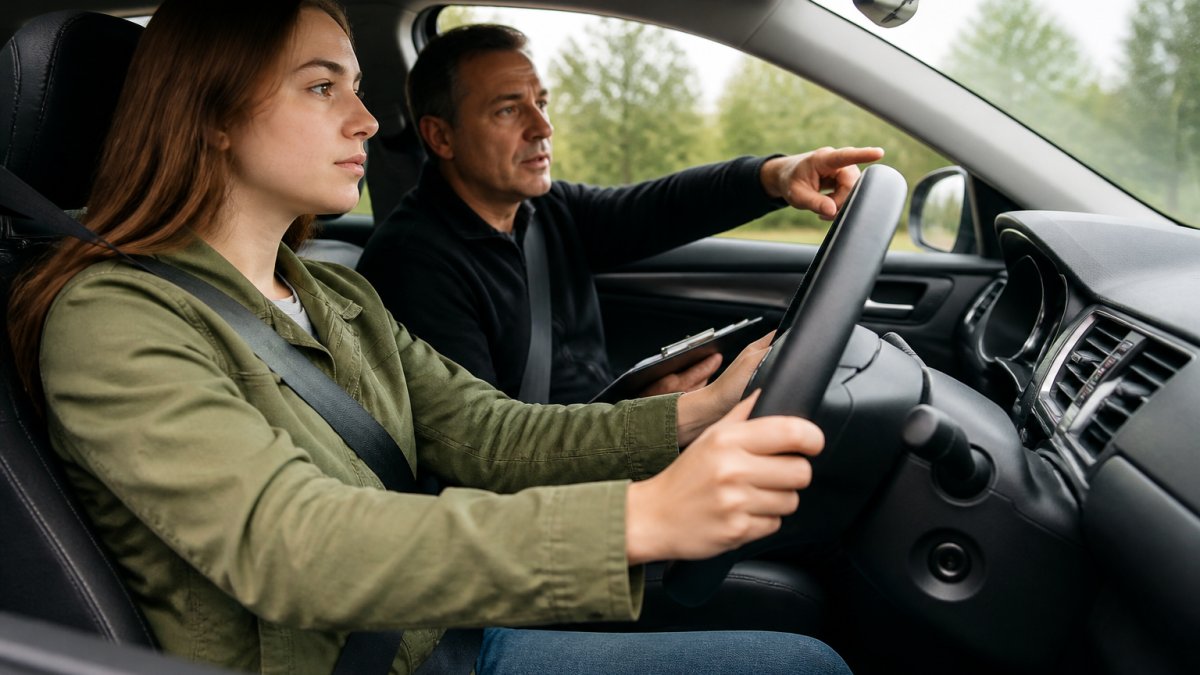
The first session usually starts in a quiet residential area near your home, where new drivers build basic control without traffic pressure. Instructors then progress to busier roads, highway merges, and the maneuvers on the state road test.
What most guides miss is that the pickup point itself is teaching material. Your student learns to pull out of their own driveway, navigate their own neighborhood, and handle the intersections they face daily, more useful than practicing on unfamiliar streets.
A typical progression looks like this:
- Session 1-2: Vehicle control, mirrors, lane position, residential streets
- Session 3-4: Intersections, lane changes, parking, moderate traffic
- Session 5-6: Highway driving, merging, defensive scanning
- Final sessions: Test-route practice and maneuver refinement
By the end, the goal isn't just passing a test. It's a teenager who can drive the roads they live on without you in the passenger seat.
Student Permit Preparation and Driving School Online Registration
Student permit preparation and driving school online registration are the two steps families most often delay, and both are easier than they look.
Permit preparation covers the written knowledge test: road signs, right-of-way rules, alcohol and driving law, and the specific South Carolina requirements your student will be tested on. Classroom instruction and practice tests handle most of it. The South Carolina Department of Motor Vehicles publishes the official driver's manual and the current testing requirements, which is the source to check rather than a third-party summary.
Online registration removes the other bottleneck. Instead of calling during business hours, you pick the session online, enter the pickup address, and get a confirmation. At Aiken Driving School, the same system handles rescheduling when a soccer tournament moves.
Safety, Supervision, and Driver Vetting in Door-to-Door Service
Safety in door-to-door driver education rests on four layers: who drives the car, who may leave with your student, how the ride is monitored, and what happens when something goes wrong. Most providers describe only the first.
Layer 1: Instructor vetting. Ask for the specifics, not the assurance. A provider that picks up minors at home should be able to describe:
- Background screening run before an instructor ever drives with a student, including a criminal history check and a motor vehicle record review
- Licensing and credentials, a valid driver's license, a clean driving record, and any state-issued instructor certification the provider operates under
- Training and ride-alongs, how new instructors are trained and whether a senior instructor observes them before they work solo
- Dual-control vehicles with a passenger-side brake and mirror so the instructor can intervene physically if needed
- Insurance coverage that names the vehicle and the instruction activity, not just a personal auto policy
Layer 3: Ride monitoring. Some programs use a dash camera or a parent-facing summary after each session; others rely on the instructor's word. Either can be acceptable, but know which you are buying.
Layer 4: Emergency and incident protocols. Don't ask "are you licensed?", every legitimate provider says yes.
Aiken Driving School has operated as an SCDMV-approved third-party testing school since 2011, so our instructors work inside a state-regulated framework. That approval carries reporting and testing obligations.
Scheduling Around School, Sports, and Family Life
Scheduling is where most student transportation programs succeed or fail, and it's usually why families quit halfway through.
Teenagers don't have open calendars. Between classes, practice, games, jobs, and family obligations, the windows for a two-hour driving session are narrow and they move. A program offering only fixed weekday slots during school hours will lose most students before they finish.
The workaround is flexibility built into the booking system, not promised over the phone:
| Scheduling Factor | What to Look For | Why It Matters |
|---|---|---|
| Booking method | Online, self-service | No phone tag during work hours |
| Availability window | Evenings and weekends | Fits sports and school schedules |
| Rescheduling | Allowed without penalty | Absorbs last-minute conflicts |
| Pickup location | Your home address | Removes drop-off logistics entirely |
| Confirmation | Same-day or instant | Families can plan the week ahead |
The National Highway Traffic Safety Administration's teen driving resources points out that consistent, supervised practice hours matter more than total elapsed time. A student who practices twice a week for three months usually arrives at the test better prepared than one who crammed six sessions into two weeks.
What Door-to-Door Service Costs and How to Compare Providers
Pricing for door-to-door driver education depends on the package, behind-the-wheel hours, and whether road testing is included, so any provider quoting a flat number without asking about your needs is guessing.
What you can do is understand the pricing models and the fees that hide behind a headline number, then compare providers on structure. Most student driver programs price in one of three ways:
- Per-hour, you pay for each behind-the-wheel hour, often with a minimum block of six to ten hours. Flexible, but the total climbs quickly if your student needs more practice than average.
- Package, a set number of hours plus classroom or permit prep, sometimes bundled with the road test. Usually the best value if your student completes the full program, but check what happens to unused hours.
- Flat program fee, one price covering everything from permit prep through the road test. Predictable, but the least flexible if your student's needs change mid-program.
Extra fees to ask about before you commit. The headline price is rarely the full price. Common add-ons include:
- Pickup or trip fees, some providers include door-to-door pickup, others bill it as a separate charge per lesson. Ask whether pickup is in the quoted price or added on.
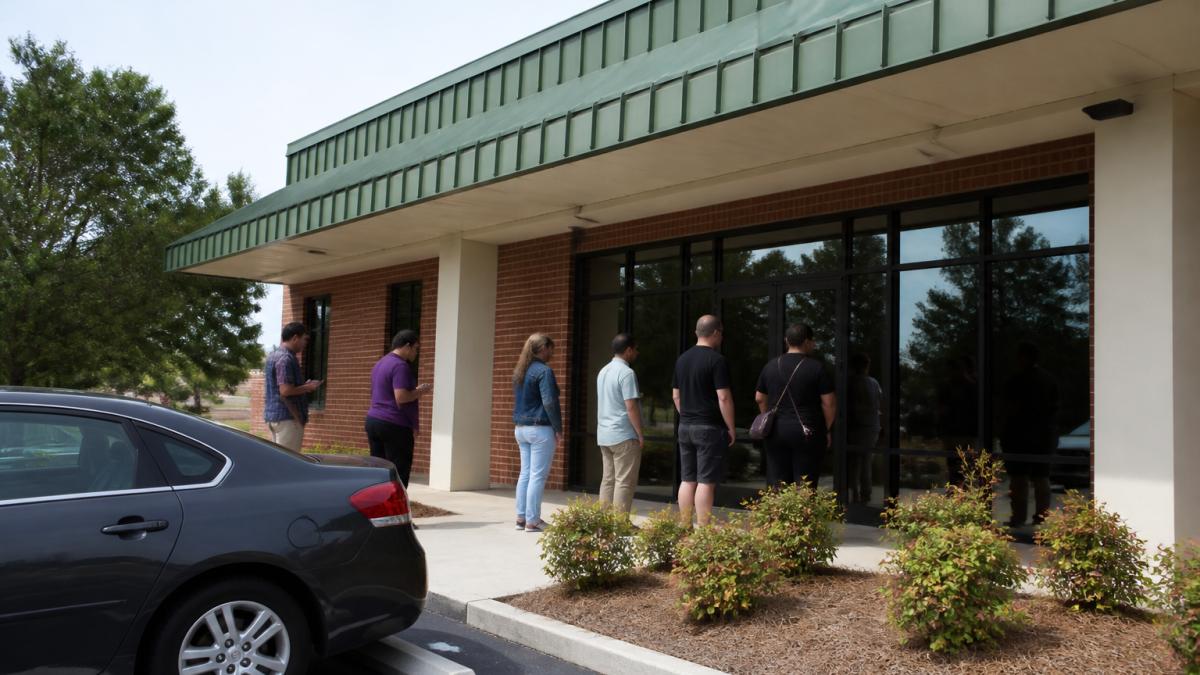
- Road test fees, if the provider is an approved third-party tester, the test may be included or billed separately. If not, you will also pay the state testing fee and spend a day at the DMV.
- Rescheduling and cancellation fees, a reasonable policy allows a free reschedule with notice; a punitive one charges for any change.
- Additional hours, the hourly rate beyond the package, which is what you pay if your student needs more practice before the test.
- Fuel or mileage surcharges, less common, but worth confirming for addresses at the edge of a coverage area.
Funding options. Some families offset the cost through a driver's education discount on the family auto insurance policy, which many carriers offer for completed teen programs. Ask your insurer whether it recognizes the provider's curriculum, and ask the provider whether it supplies a completion certificate.
The five questions that separate providers. Ask each one the same set and the differences show up fast:
- Is the provider an approved third-party tester, or do students still queue at the DMV?
- Is pickup included in the quoted price, or billed as a separate trip fee?
- How many behind-the-wheel hours are included, and what is the hourly rate beyond that?
- What is the policy if a lesson is cancelled by weather or illness?
- How is student progress communicated to parents between sessions?
That last question separates providers more than price does. A program that sends parents a short note after each session, noting strengths and areas to watch, gives you something to reinforce on practice drives. A program that says "they're doing fine" gives you nothing.
Cost also is not only the invoice. Add up your own time: the drive to a distant pickup point, the wait, and the drive back, for most working parents, an hour or more per lesson.
Conclusion
Arranging driver education around a teenager's real schedule is hard, and logistics usually derail it. Aiken Driving School has served Aiken County since 2011 with convenient door-to-door service, SCDMV-approved third-party road testing, and online registration and scheduling that fits around school and sports. Our instructors pick students up at home, work through a structured behind-the-wheel program, and prepare them for the South Carolina road test.
Register now and get your student behind the wheel without adding another commute to your week.
Frequently Asked Questions
What does door-to-door service mean for student drivers?
Door-to-door service means the instructor comes to your home, picks up the student, conducts the lesson, and returns them to your driveway. This removes the need for parents to drive to a central meeting point or wait at a facility. Aiken Driving School offers this convenience throughout Aiken County, so lessons fit around work and family schedules without extra travel time.
How do students prepare for a learner's permit?
Student permit preparation covers the written knowledge test, South Carolina driving laws, road signs, and safe driving practices. Aiken Driving School's classroom instruction and permit prep courses build the foundation students need before the behind-the-wheel phase.
Can teens take driver education and behind-the-wheel training together?
Yes. Combining classroom instruction with behind-the-wheel training gives students a complete learning path. Aiken Driving School structures programs so teens move from permit preparation into supervised driving with the same instructors. This continuity helps anxious or resistant students build confidence gradually, and it prepares them for the SCDMV road test.
How much does door-to-door student transportation cost?
Pricing depends on the program, number of lessons, and whether testing is included. Aiken Driving School does not publish fixed rates because packages vary by student needs. Contact the school directly or visit the website for a current quote. When comparing providers, ask whether pickup and drop-off, classroom hours, and the SCDMV road test are included in the total.