 blog
7 Private Driving Lessons for Adults That Build Real Skill
Last Updated: October 30, 2026
Quick Summary
Private driving lessons for adults pair you with a certified instructor who teaches rather than supervises, which builds real skill faster than practicing with a family member. Lessons follow a structured arc: a pre-drive briefing, a narrated demonstration, live coaching behind the wheel, and a post-drive review.
- Never-driven adults typically need 10-12 lessons focused on vehicle control and basic traffic.
- Two lessons a week beat one lesson every three weeks because early skills fade fast.
- Aiken Driving School is an SCDMV-approved third-party tester for the road skills test.
- Ask whether you can keep the same instructor, since switching resets your progress.
- Avoid schools that promise a guaranteed pass or pressure you to prepay for ten or more lessons.
Table of Contents
- Why Private Driving Lessons for Adults Work Better Than Learning on Your Own
- Adult Driving Lessons for Beginners: Starting From Zero Without Judgment
- How Many Driving Lessons Do Adults Need? A Realistic Breakdown
- Driving Lessons for Nervous Adults: How Instructors Calm the First-Mile Jitters
- Adult Road Test Preparation That Mirrors the Actual SCDMV Test
- Choosing an Instructor and Judging Lesson Quality Before You Book
- Book Your First Adult Behind-the-Wheel Lesson
- Frequently Asked Questions
Why Private Driving Lessons for Adults Work Better Than Learning on Your Own
The U.S. driving school industry generates $2.0 billion in revenue, according to IBISWorld's Driving Schools in the US Industry Analysis, and adult lessons are one of its core services. At Aiken Driving School, we have watched hundreds of adults discover why private driving lessons for adults beat practicing with a spouse or friend in the passenger seat.
The reason is simple: a certified instructor teaches, a family member supervises. Those are different jobs.
A 2021 case study published as The Driving Lesson as a Socio-Technical Situation examined how a learner, an instructor, and the car interact during a lesson. The researchers found that instruction is a structured exchange, not just a person giving directions. Good instructors watch hands, eyes, and speed at the same time, then adjust their coaching mid-drive.
Learning on your own usually lacks that feedback loop, so habits that feel comfortable can persist even when they are wrong.
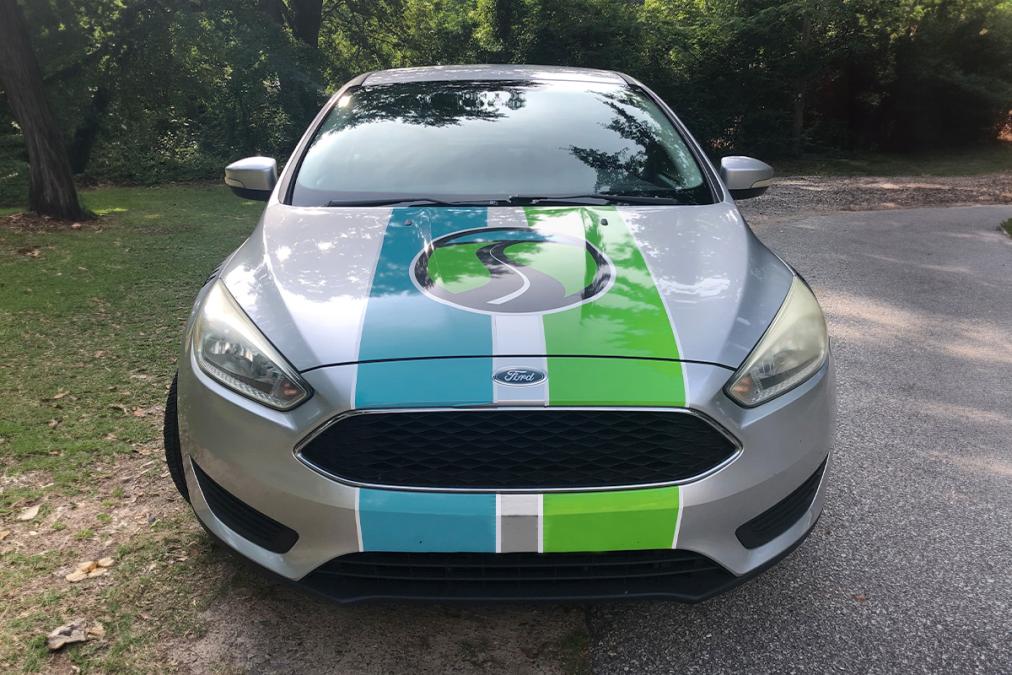
What Happens During a One-on-One Adult Lesson
Every lesson should follow a predictable arc:
- A short pre-drive briefing on the day's goal
- A skill demonstration with the instructor narrating decisions aloud
- Your turn behind the wheel with live coaching
- A post-drive review of what worked and what to repeat
A common mistake is treating the first lesson as a test. It is an assessment. Instructors use it to learn your starting point, then build from there. You can see what our adult driver program includes before you commit to anything.
Adult Driving Lessons for Beginners: Starting From Zero Without Judgment
Adult driving lessons for beginners start with the basics, and that is nothing to apologize for. Many of our adult students have never held a wheel. Others drove years ago in another state and let their skills lapse.
The first session usually covers cockpit setup: mirrors, seat position, and pedal control. Only then does the car move. Beginners who rush this stage tend to develop steering and braking habits that take longer to correct later.
A 2024 study led by J. Rehm on a virtual driving instructor explored systems that assess learner performance in real time, which mirrors what a good human instructor does: observe, score, adjust.
If you need the full licensing path laid out, our guide to getting a license as an adult walks through each step.
How Many Driving Lessons Do Adults Need? A Realistic Breakdown
The number of behind-the-wheel lessons an adult needs depends on prior experience, how often they practice between lessons, and how quickly they handle traffic decisions.
Here is how lesson counts typically break down:
| Starting Point | Typical Lessons | Main Focus |
|---|---|---|
| Never driven | 10-12 | Vehicle control, basic traffic |
| Lapsed driver | 6-8 | Habit correction, confidence |
| Anxious but licensed | 4-6 | Specific fear triggers |
| Test retake needed | 3-5 | Test-route skills |
Spacing matters as much as quantity. Two lessons a week beats one lesson every three weeks, because skills fade fast in the early stage. Ask any school how it structures scheduling before you enroll.
How to Tell You Are Actually Progressing
Lesson count is a poor progress metric on its own. A better test is whether the instructor is handing you more decisions each session. Early lessons are instructor-led: the coach narrates, you copy. By the middle of a typical adult program, you should be calling your own lane changes and speed adjustments while the instructor watches silently. If you are still being told when to brake after eight lessons, the issue is usually practice frequency, not talent.
A simple progress log can help. After each lesson, write down one skill you can now do without prompting and one you still need to rehearse, then bring that log to the next session.
What Drives the Total Cost
Pricing depends on the lesson package, the number of sessions, and any separate charges for pick-up, road-test vehicle use, or certificates. Check current rates and what they include directly with Aiken Driving School or request a quote before you book.
Cancellation policies matter too. If your schedule is unpredictable, ask about the school's reschedule window before you book.
When to Stop Adding Lessons
More lessons are not always better. Once you can complete a full drive with only occasional prompts, additional lessons produce diminishing returns. At that point, the better use of time is a mock road test under exam conditions. If you pass the mock cleanly twice, you are ready to schedule the real evaluation.
Driving Lessons for Nervous Adults: How Instructors Calm the First-Mile Jitters
Driving lessons for nervous adults often work best when the lesson starts with lower stakes before building up. The first mile is often the hardest part.
Calming tactics that often help:
- Starting in a quiet parking lot, not a main road
- Naming the fear out loud so it stops running the lesson
- Breaking each skill into one instruction at a time
- Ending every session on a success, even a small one
The thing nobody tells you about driving anxiety is that it rarely disappears. It shrinks. Each completed mile gives your brain evidence that the last one was survivable.
If you are vetting schools for an anxious student, our guide to choosing a driving school for nervous adults covers the questions worth asking.
Adult Road Test Preparation That Mirrors the Actual SCDMV Test
Adult road test preparation should rehearse the real test, covering the maneuvers examiners score, such as lane changes, turns, parking, and smooth speed control.
Aiken Driving School is an SCDMV-approved third-party tester, so students can take their road skills test with the school rather than at a state office. You can schedule a road test online.
Watch out: practicing only on familiar streets can leave gaps. Test routes may include intersections and speed changes you do not encounter on your daily drive.
Choosing an Instructor and Judging Lesson Quality Before You Book
Judging an instructor before your first lesson comes down to four questions:
- Is the instructor certified and background-checked?
- Does the school explain its lesson structure up front?
- Can you request the same instructor for every session?
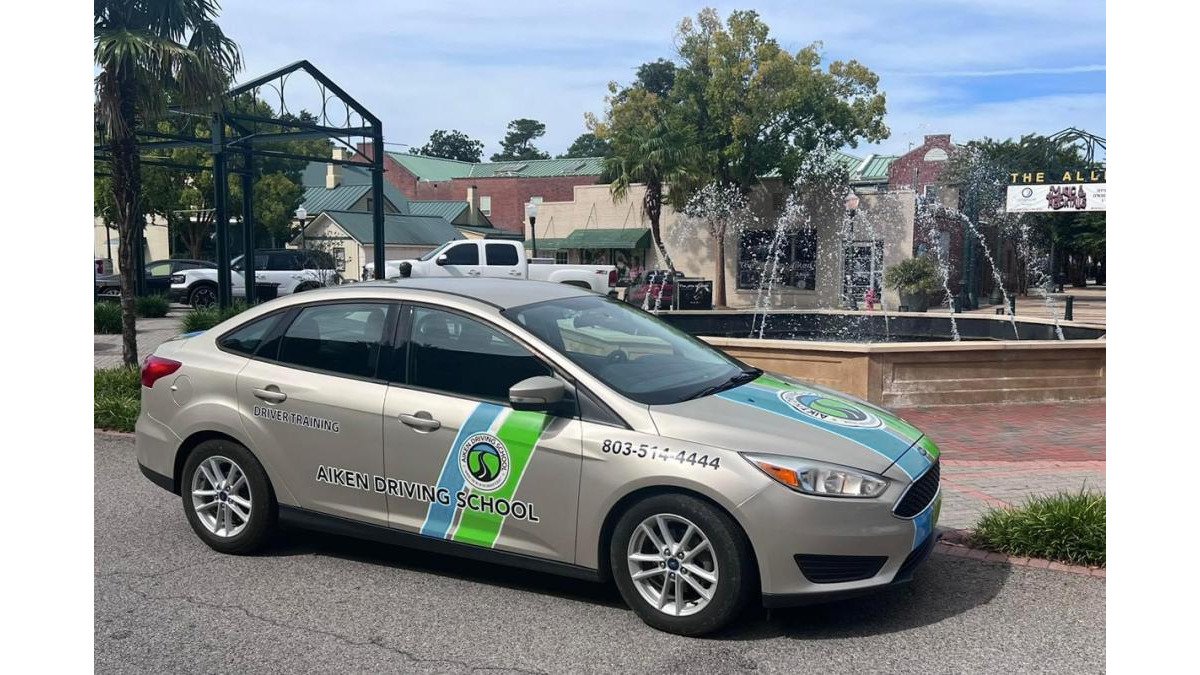
- Does the car carry dual controls and current insurance?
Consistency matters more than most adults expect. Switching instructors every lesson resets your progress, because each one has to re-learn your habits.
No school can guarantee a passing score. Preparation is what a good school can offer.
A Practical Evaluation Checklist
The four questions above screen for basics. To judge quality, use a checklist that covers credentials, teaching approach, vehicle setup, and learner feedback.
Credentials. Ask whether the instructor holds the required certification and whether the school runs background checks.
Teaching approach. A good instructor explains the lesson plan before the car moves and narrates decisions aloud during demonstrations. During your first lesson, notice whether the instructor gives one instruction at a time or stacks several. Stacked instructions overwhelm adult learners, especially anxious ones. Also notice whether the instructor asks you to self-assess after a maneuver. Instructors who prompt reflection build faster independence than ones who simply correct.
Vehicle setup. When evaluating any school, check that the training car has dual controls, current insurance, and seat and mirror adjustments that suit you.
Learner feedback. Ask the school for recent adult learner feedback, not just teen testimonials. Adult learners have different concerns: scheduling around work, anxiety about judgment, and returning after a long break. Feedback that addresses those concerns tells you the school actually serves adults.
Questions to Ask on the Phone
A five-minute call screens most schools. Ask:
- "Who will my instructor be, and can I keep the same one?"
- "How do you structure the first three lessons?"
- "What does the car have for safety equipment?"
- "How do you handle a learner who is anxious or returning after years away?"
- "What is your policy if I need to reschedule?"
Vague answers to the first three questions are a reason to keep looking. Specific answers, especially about lesson structure and anxiety handling, are a reason to book a single lesson before committing to a package.
Red Flags Worth Walking Away From
- No dual controls in the training vehicle
- Instructors who cannot name their certification
- Pressure to prepay for ten or more lessons before a trial session
- No clear cancellation policy in writing
- Reluctance to let you request the same instructor
A school that passes this checklist is worth the investment. A school that fails it will cost you more in retakes and lost time than you save on a lower rate.
Book Your First Adult Behind-the-Wheel Lesson
Booking a lesson is the step most adults delay longest, usually out of worry about cost or scheduling. Pricing depends on the lesson package and how many sessions you need, so check current rates directly with Aiken Driving School.
At Aiken Driving School, we have served Aiken County since 2011 and have been voted Aiken's Best Driving School eight times, including four years running. Pick-up and drop-off service is available throughout Aiken County, so lessons can fit around work and family schedules. Online registration and scheduling make the first step quick. For the concrete steps, see how to book driving lessons.
Frequently Asked Questions
Can adults take private driving lessons without ever having driven before?
Yes. Adult driving lessons for beginners are built for people who have never held a wheel. An instructor starts on quiet roads with the basics: seat position, mirrors, steering control, and smooth braking. You move to busier roads only when you are ready. One-on-one instruction means the pace matches you, not a group. Aiken Driving School's adult behind-the-wheel training is designed exactly for this starting point, and lessons are scheduled around your availability.
How many driving lessons do adults need before the road test?
It depends on your starting experience. An adult with a valid permit and some practice hours may need only a few refresher lessons plus one road test prep session. A complete beginner usually needs more behind-the-wheel time to build steering, lane control, and intersection judgment. The most accurate answer comes from evaluating your current skill level, which an instructor can do during an initial lesson.
Are private driving lessons helpful for nervous adult drivers?
They can help reduce driving anxiety. A certified instructor rides beside you, corrects small errors before they become habits, and keeps the lesson at a pace you can handle. The one-on-one format removes the pressure of an audience, which is often what makes adult learners tense up in the first place.
Can driving lessons help me prepare for the SCDMV road test as an adult?
Yes. Adult road test preparation can cover common road-test maneuvers such as parallel parking, three-point turns, lane changes, stop-sign behavior, and smooth speed control. Aiken Driving School is an SCDMV-approved third-party tester, so you can complete your road skills test with the school instead of waiting in line at a DMV office.
Ready to stop rehearsing and start driving? Get started with Aiken Driving School and book a behind-the-wheel lesson that meets you at your current skill level.