 Ultimate guide
SCDMV Approved Third Party Testing: Complete Guide
Last Updated: November 14, 2026
Quick Summary
Third party testing lets a South Carolina driver take the road skills test with an SCDMV-approved driving school instead of at an SCDMV branch. Applicants for a regular license may choose either option, but must still meet the same licensing requirements. Aiken Driving School is one approved third-party tester serving Aiken County.
- Applicants for a regular license may test at an SCDMV branch or with a third-party tester.
- Confirm a provider's approval on the SCDMV's official approved tester listing before booking.
- Observation is a common reason applicants lose points, even on clean maneuvers.
- Passing the road test is not the same as holding a license; the result must reach the SCDMV.
- Keep your own record of the test result, date, tester name, and SCDMV correspondence.
Table of Contents
- What SCDMV Approved Third Party Testing Means
- Who Can Take a South Carolina Road Test Through a Third-Party Tester
- South Carolina Road Skills Test: What Happens During the Test
- Documents and the SC DMV Third-Party Testing Form
- How to Find and Schedule an SCDMV Approved Tester
- What Happens After You Pass or Fail a Third-Party Test
- Book Your Road Test With Aiken Driving School
- Frequently Asked Questions
What SCDMV Approved Third Party Testing Means
Third party testing lets a South Carolina driver take the road skills test with an approved driving school instead of at an SCDMV branch. The South Carolina Department of Motor Vehicles says applicants for a regular license may test at an SCDMV branch or with a third-party tester, and that SCDMV branches accept walk-in customers (SCDMV Regular License Road Test guidance). That choice is the core of what the term means.
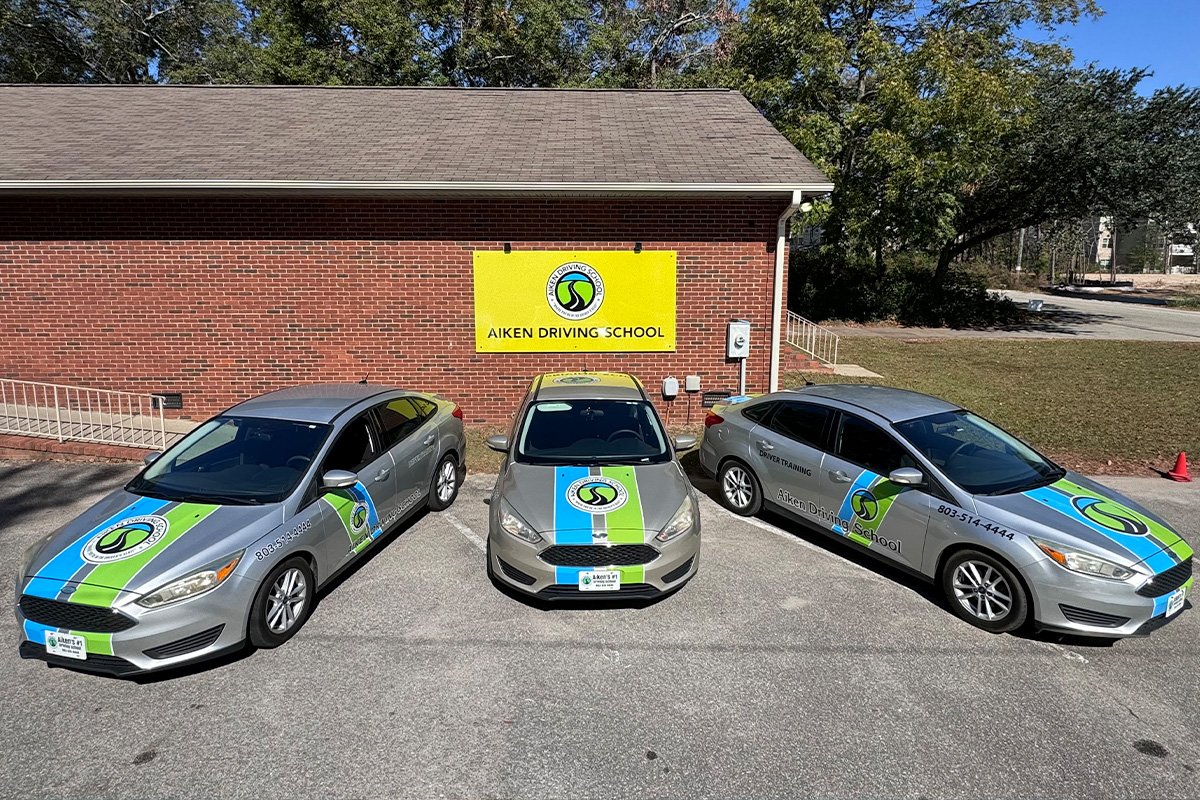
Working with an approved tester gives you a practical alternative to a branch visit. You still need to meet the same licensing requirements. The difference lies in where and with whom the skills test happens.
How SCDMV Approves Third-Party Testers
A third-party tester must be approved by the SCDMV before it can test drivers (SCDMV Third-Party Testers page). Approval is the reason the SCDMV can accept results from a school in place of its own examiners. When you verify a provider, confirm that it appears among the approved testers on the SCDMV's official listing rather than relying on a school's own description of itself.
SCDMV also publishes a Class D auto school list that identifies schools by certification category, including "Class D third party tester" (SCDMV Class D Auto School List, 2026). Checking that list is a straightforward way to confirm a school's status before you book.
Who Can Take a South Carolina Road Test Through a Third-Party Tester
Eligibility for the road test follows the regular licensing requirements, and the testing location is the variable. A regular-license applicant can choose between an SCDMV branch and an approved third-party tester (SCDMV Regular License Road Test guidance). Teens and adults both fall into this group.
Before a road test, you normally need to have completed the earlier stages of licensing. Permit preparation is one of those stages. If your student still needs to pass the permit requirements, Aiken Driving School's permit prep course covers that step before the road test. Confirm the current permit and age rules with the SCDMV, since those details can change.
South Carolina Road Skills Test: What Happens During the Test
The road skills test is a scored, observed drive, not a casual ride-along. An approved third-party tester conducts it under SCDMV rules. Understanding what is scored, and what commonly costs applicants a pass, is the most useful preparation you can do.
What the examiner is looking for
Most road skills tests in the state follow the same broad structure: a pre-drive vehicle and paperwork check, a controlled maneuvering portion, and a traffic portion on public roads. The examiner is not looking for perfection; the examiner is looking for safe, legal, predictable control. The behaviors that show up on nearly every evaluation include:
- Vehicle control: smooth acceleration and braking, correct steering inputs, and staying centered in the lane.
- Observation: checking mirrors, checking blind spots before lane changes, and looking through turns rather than at the hood.
- Signaling: signaling before every turn, lane change, and pull-out, and canceling the signal afterward.
- Speed management: matching the posted limit, slowing appropriately for turns and curves, and maintaining a safe following distance.
- Traffic awareness: yielding correctly, choosing safe gaps, and responding to pedestrians, cyclists, and other vehicles.
- Intersection behavior: full stops at stop signs, correct right-of-way decisions, and proper left-turn positioning.
The maneuvers that trip people up
The controlled portion typically includes a set of low-speed maneuvers performed in a lot or coned area. The exact list can vary by tester, but the common ones are:
- Parallel parking, the maneuver most applicants fear and most commonly practice least. Examiners watch for curb contact, excessive correction, and failure to check mirrors and blind spots.
- Three-point turn, judged on control, observation, and whether the vehicle stays within the available space.
- Backing, straight-line backing and backing while steering, with observation weighted heavily.
- Parking on a hill, setting the brake, turning the wheels correctly, and securing the vehicle.
A common pattern is that applicants lose points not on the maneuver itself but on observation, failing to turn the head and check before moving. Examiners can see eye movement, and a technically clean park with no mirror or blind-spot check still reads as unsafe.
How scoring works
The test is scored on a point-deduction basis. Minor errors accumulate, and certain errors are treated as automatic failures because they represent an unsafe act, for example, a traffic violation, a collision, or an intervention by the examiner. Because the pass threshold and the specific automatic-fail list are set by the SCDMV and can be updated, confirm the current scoring standard with your tester before the appointment rather than relying on a friend's experience from a previous year.
How to prepare
Aiken Driving School offers behind-the-wheel training and additional driving lessons that can help students prepare for the road test. Practicing the low-speed maneuvers until they are boring, and narrating observations out loud during practice so they become habit, are the two highest-return preparation moves.
Watch out: Practicing only on familiar neighborhood streets can leave a student unprepared for the traffic portion, which is where observation and gap judgment are scored hardest. Practice on the kinds of roads the test will use.
Documents and the SC DMV Third-Party Testing Form
Bring the documents the SCDMV requires for your application before the appointment, and check the current list on the SCDMV website, since requirements change. For local office services, hours and what to bring, see South Carolina DMV Aiken: Complete Guide to Services & Hours. The SCDMV's Rules and Resources page explains the licensing requirements that the testing form supports.
Missing paperwork is one of the most common reasons an appointment has to be rescheduled, so review the list early.
The article lists several post-test steps that applicants need to track, summarised here for quick reference.
| Outcome | First step | Who handles the result |
|---|---|---|
| Pass | Keep proof of passing road skills test | Tester submits result to SCDMV |
| Pass | Complete remaining steps at an SCDMV branch | Applicant, with originals |
| Pass | Confirm license issued before driving alone | Applicant with SCDMV |
| Fail | Ask tester which areas were marked down | Tester provides feedback |
| Fail | Confirm retest rules with SCDMV | Applicant with SCDMV |
| Fail | Rebook with tester after practice | Applicant and tester |
How to Find and Schedule an SCDMV Approved Tester
Start by confirming the provider's approval status against the SCDMV's official tester listing. Next, check the service area: a tester that offers pick-up and drop-off may not cover every neighborhood, so confirm your address. Then contact the school to schedule the test. Aiken Driving School offers online registration and scheduling, and it serves Aiken County with pick-up and drop-off service.
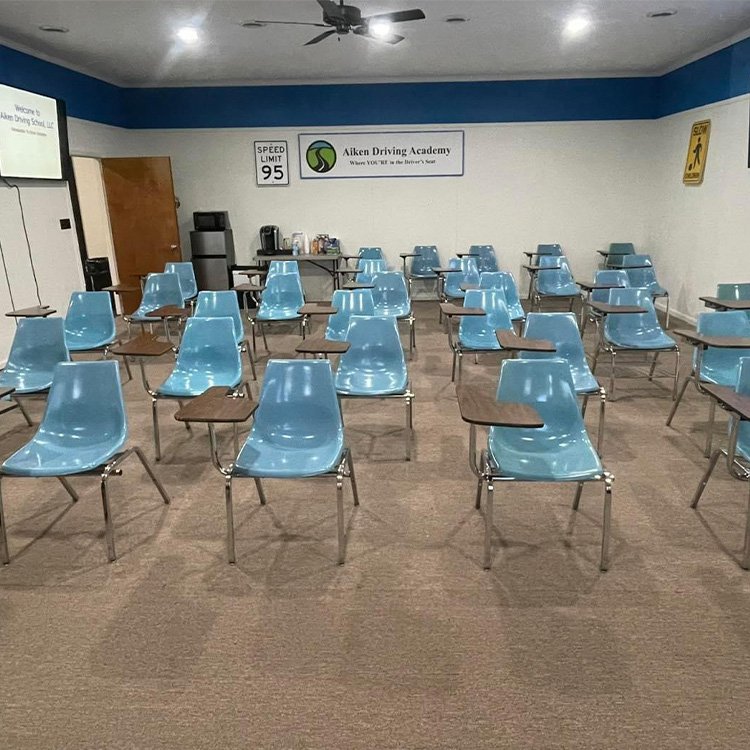
Scheduling works best when you book early and confirm the appointment details in writing, including the time, location and required documents.
What Happens After You Pass or Fail a Third-Party Test
This is the part of third-party testing that most guides skip, and it is the part applicants most need. Passing the road skills test with an approved tester is not the same as holding a license. The result has to reach the SCDMV, and the applicant has to complete the remaining licensing steps. Here is the sequence.
If you pass
- Get your result documentation. The tester completes the required paperwork and provides you with proof of a passing road skills test. Keep a copy, do not rely on the school to hold it indefinitely.
- Confirm how the result is transmitted. Approved testers submit results to the SCDMV through the process the agency requires. Ask your tester directly whether the result is sent electronically, what identifying information it uses, and how long transmission typically takes. A common pattern is that results are submitted by the tester rather than carried in by the applicant, but confirm this with your provider rather than assuming.
- Complete the remaining licensing steps at an SCDMV branch. Depending on your age and permit status, that can include presenting identity and residency documents, completing any remaining application requirements, and having your photo taken. Bring originals, not photocopies.
- Confirm your status before you drive alone. Do not treat a passing road test as a license. Confirm with the SCDMV that your license has been issued or that you hold valid interim driving privileges before driving unsupervised.
Watch out: The most common post-test problem is a mismatch between the name and identifying information on the test result and the information on the license application. If your name has changed or your documents use a different form of your name, raise it with the tester before the test, not after.
If you do not pass
A failing result is not the end of the process. The tester will typically tell you which areas were marked down, and that feedback is the most valuable thing you leave with. Ask for it specifically if it is not offered.
- Review the flagged areas. If observation was the issue, practice narrating checks out loud. If a maneuver was the issue, practice it in isolation until it is consistent.
- Take targeted lessons. A few lessons focused on the specific failure points are usually more effective than repeating the entire course.
- Confirm retest rules with the SCDMV. Waiting periods, retest eligibility, and any additional requirements are set by the agency and can change. Confirm the current rule before you rebook rather than relying on what another student was told.
- Rebook with the tester. Schedule the retest once you have addressed the flagged areas, and confirm the appointment details in writing.
Keep your own record
Whatever the outcome, keep a personal file: the test result, the date, the tester's name, and any correspondence with the SCDMV. If a result is delayed or disputed, that file is what resolves it.
Book Your Road Test With Aiken Driving School
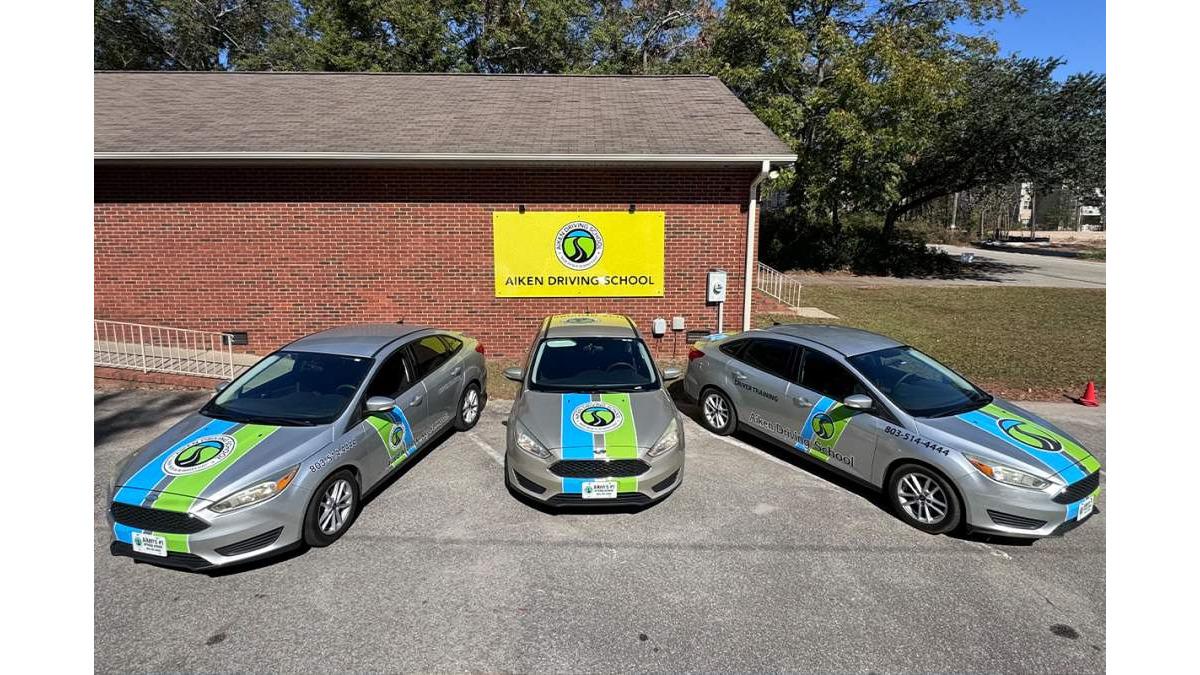
Aiken Driving School is an SCDMV-approved third-party tester that has served Aiken County since 2011. We offer convenient pick-up and drop-off throughout the county. You can schedule your road test online with our approved team.
If your teen or you still need to build driving skills before the test, our teen and adult behind-the-wheel training can help you get ready. Contact us to confirm your appointment and the documents you will need.
Frequently Asked Questions
What is SCDMV-approved third-party testing?
SCDMV-approved third-party testing lets eligible South Carolina drivers take their regular-license road test with a tester the SC Department of Motor Vehicles has approved, instead of at an SCDMV branch. SCDMV publishes the approval requirement for third-party testers and states that regular-license applicants may test at any branch or with a third-party tester. Testers must be approved by SCDMV before they can administer driver tests, so confirm a provider's approval status before booking.
Who can take a South Carolina road test through a third-party tester?
Applicants for a regular South Carolina driver's license may take the road test through a third-party tester or at an SCDMV branch. Eligibility for the license itself, including permit and age requirements, is set by SCDMV, so check the current rules on the SCDMV website before scheduling. A third-party tester can confirm which requirements apply to your situation before you book.
Can I use a third-party road test instead of testing at an SCDMV office?
Yes. SCDMV states that regular-license applicants may take the road test at an SCDMV branch or with a third-party tester. Using a third-party tester can avoid waiting in line at a branch, and it lets you schedule around work, school, and sports. Confirm that the tester you choose is approved by SCDMV for this testing before you book.
How do I find an SCDMV-approved third-party tester?
SCDMV publishes a Class D auto-school list that identifies schools by certification category, including Class D third-party tester. Check that list, or the third-party testers information on the SCDMV website, to confirm a provider's approval. Aiken Driving School is an SCDMV-approved third-party tester serving Aiken County, and you can contact the school to schedule a road test.