 How-to
The Best Way to Teach a Teenager to Drive Safely
Last Updated: November 8, 2026
Quick Summary
The best way to teach a teenager to drive is a structured plan that blends classroom instruction, supervised practice, and professional behind-the-wheel training. Use a phased lesson plan that moves from empty lots to quiet streets to busy roads, aiming for at least 50 hours of supervised practice before the road test.
- Classroom and permit prep come first, before your teen touches a wheel.
- Start behind-the-wheel training in empty parking lots, then quiet neighborhoods, then main roads.
- Aim for at least 50 hours of supervised practice spread over several months.
- Log each session with date, location, skill, and a 1-5 calm rating, reviewing every two weeks.
- Bring in a professional instructor when progress stalls or your teen is anxious.
Table of Contents
- Why a Structured Approach Beats Parent-Only Practice
- A Step-by-Step Teen Driving Lesson Plan
- How Many Hours Should a Teen Practice Driving?
- Beginner Driver Practice Exercises for Every Skill Level
- Parent Tips for Teaching a Teen to Drive Without the Stress
- When to Bring In a Professional Instructor
- Preparing for the South Carolina Road Test
- Registering Your Teen for Driver Education
- Frequently Asked Questions
Why a Structured Approach Beats Parent-Only Practice
The best way to teach a teenager to drive is a structured plan that blends classroom instruction, supervised practice, and professional behind-the-wheel training. Parent practice alone leaves gaps. A real plan closes them.
Here's what most families get wrong: they treat driving lessons as one long series of parking lot loops. That builds confidence, but not skill. Teens need a sequence. Rules first, then basics, then real roads, then test prep.
What the Research Says About Driver Education
Driver education is one piece of a larger system, not a magic bullet. The National Highway Traffic Safety Administration's teen driving guidance explains that driver education teaches road rules and safe habits, but works best as part of graduated driver licensing. That system eases teens onto the road in stages.
So what does this mean for your family? Use both. A course gives structure and a certified instructor. Your practice hours give repetition. Neither one works as well alone.
A Step-by-Step Teen Driving Lesson Plan
A teen driving lesson plan works best in phases, with each phase building on the last. Start with rules and classroom work, move to empty lots, then quiet streets, then busy roads, and finish with test preparation.
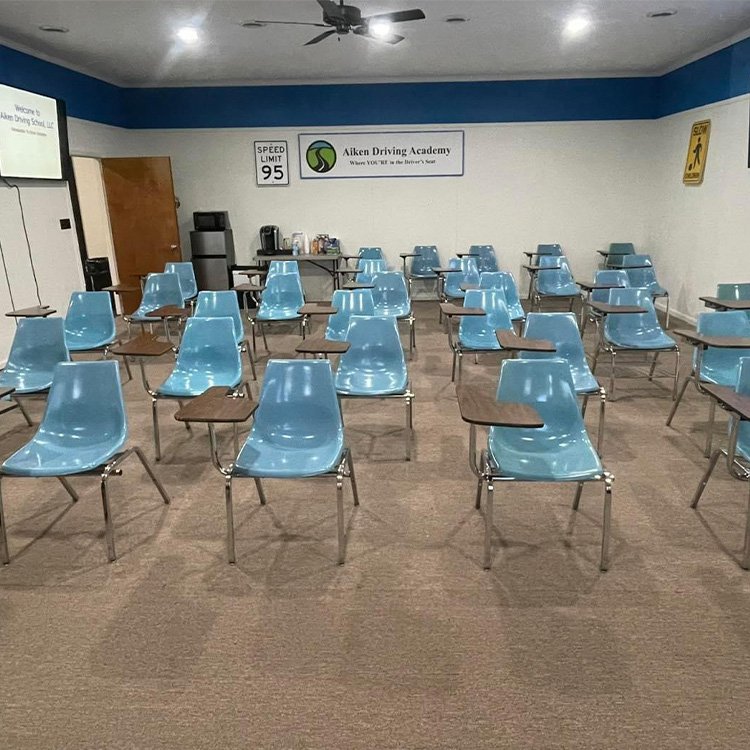
Below is the sequence we use with our own students, and it works just as well for parent-led practice between lessons.
Phase 1: Classroom and Permit Preparation
Classroom work comes first, and it's not busywork. Teens learn traffic laws, road signs, and risk awareness before they touch a wheel. South Carolina requires teens to hold a learner's permit before driving, so permit prep is the real starting line.
A good permit prep class covers the written test format, highway transportation system basics, and the habits that show up on the exam. Families in our area can prepare for the permit test with a class built around the South Carolina exam.
Phase 2: Behind-the-Wheel Fundamentals
Behind-the-wheel training starts in a low-risk setting: empty parking lots, then quiet neighborhoods, then main roads. Each session should focus on one or two skills, not everything at once.
Start with these fundamentals:
- Steering control and smooth braking
- Scanning mirrors and blind spots
- Lane position and speed control
- Turns, stops, and right-of-way rules
Only move to busier roads when your teen handles the basics calmly. Rushing this phase is the most common mistake we see.
How Many Hours Should a Teen Practice Driving?
Most families should aim for at least 50 hours of supervised practice before the road test, spread over several months. Treat 50 hours as a practical target rather than a legal requirement. The number matters less than the mix: a teen who has driven 50 hours of easy suburban loops is less ready than one who has driven 30 hours that included night, rain, highway, and heavy-traffic exposure.
Quality beats quantity. A focused 30-minute session with one clear goal teaches more than two distracted hours. Log your practice so you can see which skills still need work.
A simple weekly rhythm works well:
- Two short sessions on weekdays
- One longer session on the weekend
- One review session before each new skill
A Trackable Parent-Teen Practice Plan
A practice log turns vague intentions into a plan. Keep a simple spreadsheet or notebook with four columns: date, location, skill practiced, and a 1-5 rating for how calmly your teen handled it. Review the log every two weeks and pick the two lowest-rated skills as the focus for the next stretch. That prevents the common trap of practicing what your teen already does well because it feels good.
A workable 12-week structure looks like this:
| Weeks | Focus | Typical Settings | Target Before Moving On |
|---|---|---|---|
| 1-2 | Start, stop, steer, mirror scans | Empty lot, quiet neighborhood | Smooth control without prompting |
| 3-4 | Turns, stops, right-of-way | Low-traffic intersections | Correct decisions at four-way stops |
| 5-6 | Lane changes, speed control | Multi-lane roads | Signaled, smooth lane changes |
| 7-8 | Merging, highway speed | On-ramps, highway | Matches traffic speed confidently |
| 9-10 | Night and bad-weather driving | Familiar routes after dark, light rain | Adjusts speed and following distance |
| 11-12 | Mock road test | Test-like route | Completes a full route without coaching |
Skills Checklist to Work Through
Use this checklist to confirm your teen can do each skill without reminders before you move to the next phase:
- Starts and stops smoothly, including on a slight hill
- Checks mirrors and blind spots before every lane change
- Holds a steady lane position and safe following distance
- Makes correct decisions at stop signs, four-way stops, and yield signs
- Changes lanes with a signal and a shoulder check
- Merges onto a highway at traffic speed
- Parks in a standard space and backs out safely
- Drives at night with proper headlight use
- Adjusts speed and distance in rain
- Handles a full mock route without verbal coaching
Watch out: families often count hours spent in parking lots as if they were road hours. Parking-lot time builds control, but it does not build the scanning, judgment, and speed-matching skills the road test and real driving demand, balance the log so most hours happen on actual roads once the basics are solid.
Beginner Driver Practice Exercises for Every Skill Level
Beginner driver practice exercises should match the skill, not the calendar. A teen who's ready for highway merging shouldn't still be circling a parking lot, and a teen who struggles with parking shouldn't be on the interstate.
Try these exercises in order:
| Skill Level | Practice Exercise | Where to Do It | Goal |
|---|---|---|---|
| New driver | Start, stop, and steer smoothly | Empty parking lot | Control without jerking |
| Getting comfortable | Mirror checks and blind-spot scans | Quiet neighborhood | Build scanning habits |
| Building confidence | Four-way stops and right-of-way | Low-traffic intersections | Read other drivers |
| Intermediate | Lane changes with turn signals | Multi-lane roads | Smooth, signaled moves |
| Advanced | Merging and highway speed | Highway on-ramps | Match traffic speed |
| Test ready | Full mock road test | Test-like route | Practice under pressure |
Run each exercise until your teen can do it without prompting. That's the signal to move on.
Parent Tips for Teaching a Teen to Drive Without the Stress
The biggest source of stress in parent-led practice is unclear expectations. Set the rules before you hand over the keys. The U.S. Department of Transportation's teen driver safety guidance recommends agreeing on no phones, no speeding, limited passengers, and seat belts every trip.
A few habits that keep practice calm:
- Pick one skill per session and say it out loud before you start
- Give directions early, not as a surprise
- Praise what went right before you correct what didn't
- End on a good note, even if the session was rough
If your teen is anxious behind the wheel, that's common. Our guide on driving lessons for anxious teens covers how to handle nerves without adding pressure.
When to Bring In a Professional Instructor
Bring in a professional instructor when progress stalls, when your teen is anxious, or when you want test-ready feedback from someone who evaluates drivers for a living. A certified instructor spots habits a parent might miss.
There's another reason. Teens often listen differently to an instructor than to a parent. That's not a knock on your teaching. It's just how it works.
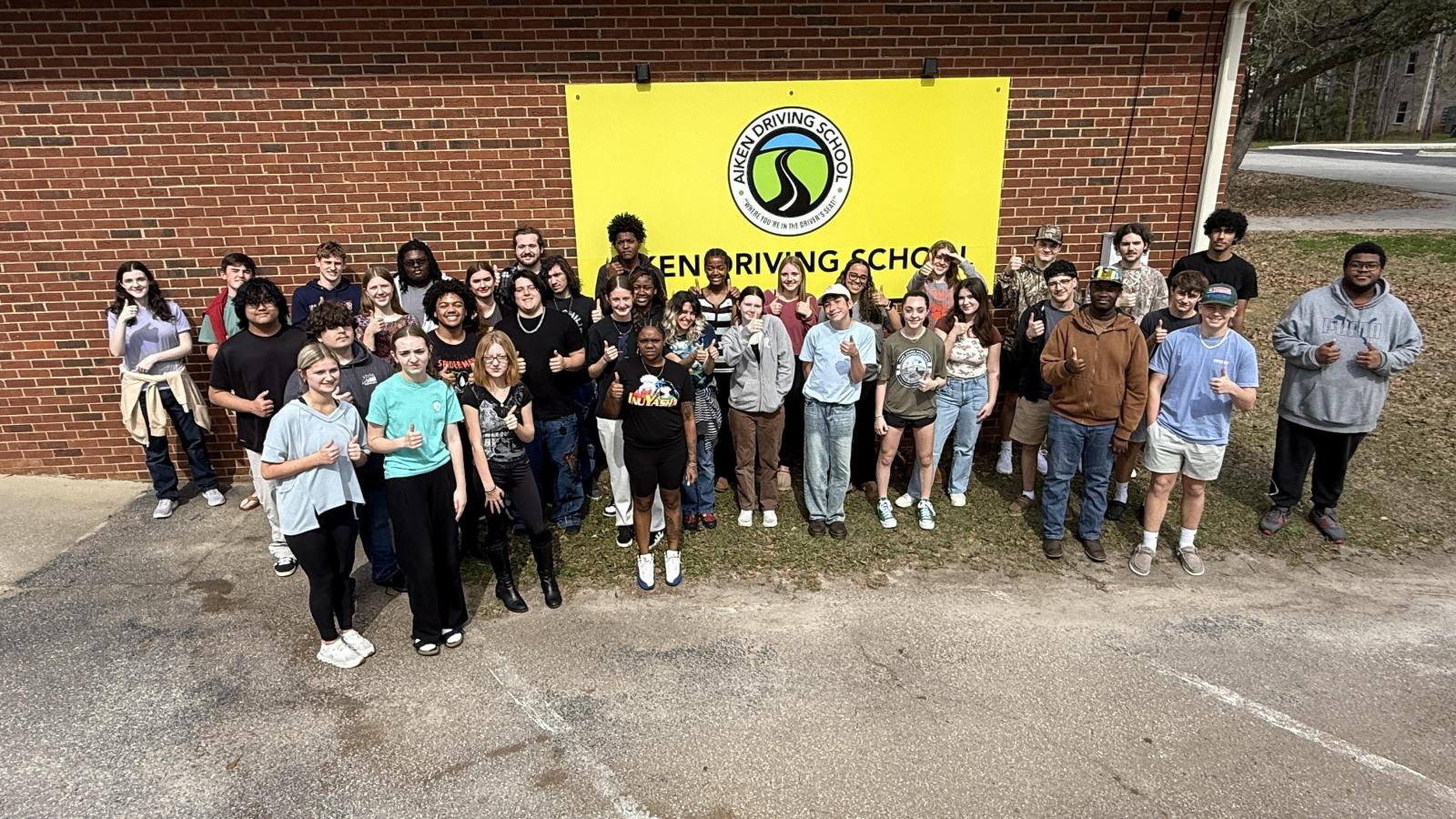
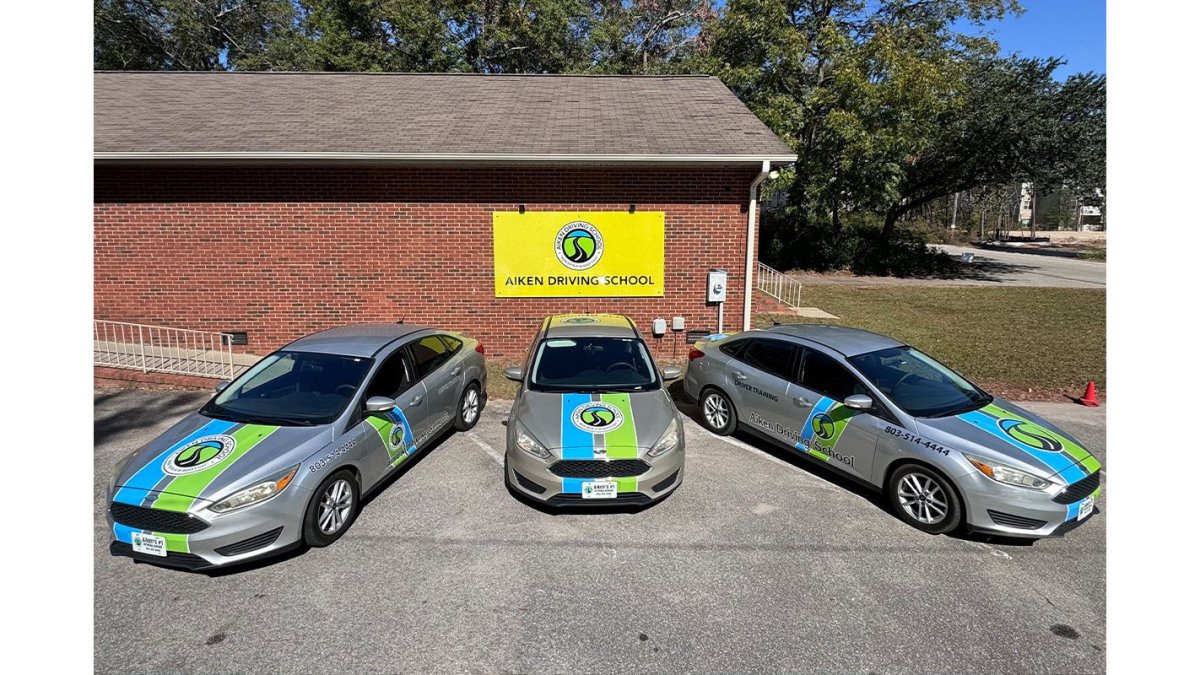
Aiken Driving School is an SCDMV-approved third-party testing school. Our behind-the-wheel training offers pickup and drop-off throughout Aiken County, which takes scheduling pressure off busy families.
Preparing for the South Carolina Road Test
Road test readiness comes down to three things: solid basics, calm nerves, and practice on a test-like route. Teens who've done a mock road test walk into the real one knowing what to expect.
The road test checks skills you've already practiced: parking, turns, lane changes, speed control, and following traffic laws. Review the weak spots from your practice log in the final two weeks.
What the Examiner Is Actually Watching
Examiners are not looking for perfection, they are looking for safe, predictable control. Common scoring points include:
- Full stops behind the limit line, not rolling stops
- Signal use before every turn and lane change
- Mirror and blind-spot checks the examiner can see
- Smooth acceleration and braking rather than jerky inputs
- Correct lane position and speed relative to the posted limit
- Proper observation at intersections before entering
A single serious error, such as running a stop sign or failing to yield, can end the test regardless of how well the rest went. That is why mock routes matter: they surface those errors in practice, not on test day.
Verifying Your Teen Is Ready
Before you book, confirm three things. First, your teen has completed the required permit-holding period and any required course or classroom hours. Second, the practice log shows consistent sessions across at least several weeks, not a crammed final week. Third, your teen can explain what they are doing and why, a driver who can narrate a decision is usually a driver who understands it.
When your teen is ready, you can schedule the road skills test directly with us instead of waiting in line at a DMV office.
If the Test Doesn't Go Well
A failed road test is common and not the end of the road. Review the examiner's notes carefully, they usually point to one or two specific habits rather than a broad lack of skill. Practice those exact skills for a week or two, then retake.
Watch out: teens often practice the route they failed on and nothing else. The retest may use a different route, so fix the underlying skill, a rolling stop, a missed shoulder check, rather than memorizing one path.
Registering Your Teen for Driver Education
Registration is the easy part once you've picked a program. Look for an approved course, a clear schedule, and instructors who put safety first.
Ready to start? You can take teen driver education with our school and get your teen on a structured path from permit to license.
Teaching a teen to drive takes patience, a clear plan, and the right support. Aiken Driving School makes that plan simple with SCDMV-approved third-party testing, convenient pickup and drop-off, and instructors who help students become safe, confident drivers.
Frequently Asked Questions
How do I teach my 15-year-old to drive?
Start with permit preparation and classroom instruction before any behind-the-wheel time. Once your teen has a learner permit, begin in empty parking lots practicing basic vehicle operation, then move to quiet residential streets. Keep sessions short and consistent, and enroll in a structured teen driving lesson plan that combines parent practice with professional instruction. Aiken Driving School offers permit prep and teen behind-the-wheel training, with online scheduling and pickup and drop-off throughout Aiken County.
Should parents or a driving instructor teach a teenager to drive?
Both have a role. NHTSA notes driver education is one part of the graduated licensing approach. Parents provide valuable supervised practice hours, while a professional instructor adds structure and an outside perspective. Combining parent practice with professional lessons gives teens the safest path to road test readiness.
How can I help a nervous teen driver feel more confident?
Start in low-traffic environments like empty parking lots and quiet neighborhoods, and increase difficulty gradually. Keep your voice calm and give one instruction at a time. Avoid reacting sharply to mistakes; instead, pull over and discuss what happened. An encouraging instructor can also help anxious teens by providing calm feedback.
What are the best places for a beginner driver to practice?
Begin in empty parking lots to master steering, braking, and turning. Move to quiet residential streets for basic traffic navigation, then progress to moderate-traffic roads, intersections, and finally highway driving. Avoid busy commercial areas and rush hour until your teen is comfortable with the basics. Aiken Driving School offers pickup and drop-off throughout Aiken County.